Destination Branding
Destination branding
The reason to stay. Destinations keep spending on the reason to arrive — the campaign, the landmark, the arrivals number. But the value is in nights, not landings, and the places that hold visitors are built as one story with a reason to stay, not one city with a hinterland.
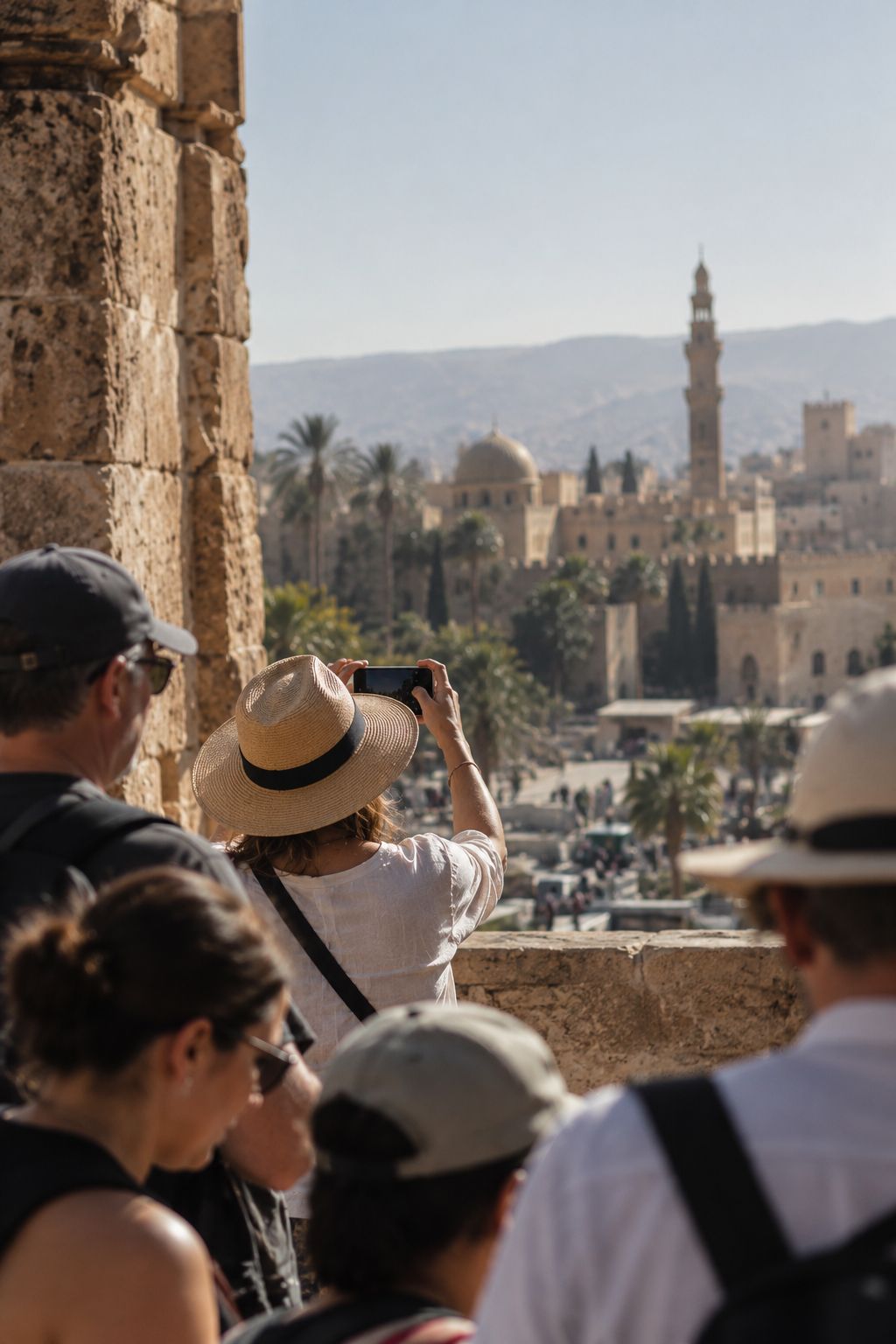
Destinations are counted at the gate
The tourism industry has a favourite number, and it is arrivals. Ministries report it, airlines plan around it, and destination campaigns are built to move it. The landmark opens, the film runs, the airport expands, and success is declared the moment the visitor clears immigration. Everything the destination brand does is aimed at the decision to come.
That made sense when the job was awareness. The Gulf spent two decades getting on the map, and Dubai did it faster than any city in modern history. Abu Dhabi, Riyadh, Doha and AlUla have followed with their own reasons to land. The reason to arrive is now solved. What the number cannot tell you is what happens after the gate.
Arrivals do not build an economy
Nights do. A visitor who lands and leaves in three days spends in one city, eats in one district, and takes home one story. The hotel, the restaurant, the guide and the shop two hours down the coast never see them. Multiply that by millions and the arrivals number looks healthy while most of the country stays invisible.
Arrivals are a marketing number. Nights are an economic one.
Long-stay is not a niche. It is the difference between a destination that is passed through and one that is lived in for a while. Every extra night is a second restaurant, a second region, a second reason to tell someone about the place. Destination brands built for arrivals leave that value on the table by design.
The country is read as a city
This is the structural problem, and it is common to almost every destination in the region. The capital carries the brand. Dubai is the UAE to most of the world. Riyadh or Jeddah is Saudi Arabia. Muscat is Oman. Everything beyond the city arrives as an afterthought, if it arrives at all.
The hinterland is not empty. The UAE alone holds seven Emirates with seven distinct characters, from the mountains of Ras Al Khaimah to the coast of Fujairah to the heritage of Sharjah and Al Ain. But a visitor who has been given one reason to come has no reason to go further. The map has more on it than the brand ever pointed to.
From the reason to arrive to the reason to stay
The correction is a shift in what the brand is for. A digital platform can plan the trip, sequence the stops and book the hotels. It cannot make the second week feel necessary. That is the brand’s job, and it is a different job from getting someone to the airport.
A platform can plan the trip. Only a brand can make the second week feel necessary.
A destination brand built for stay gives the visitor an argument for time. It sets up an expectation that the place is incomplete until it has been seen in full, and it makes the parts beyond the capital feel like chapters rather than optional extras. That is not a campaign. It is positioning, and it sits above every campaign that follows.
One story, several chapters
The approach that works is to position the country as one story with several movements, not one place repeated. Each region keeps its own character, its own landmarks and its own voice. The destination brand is the thread that runs through them and makes them worth collecting together.
The country is not one place repeated. It is one story told in chapters.
Architecture matters here. A national long-stay brand cannot sit above the regional tourism brands and absorb them. It has to sit beside them, as a federal layer that holds them as partners rather than competitors. That is the structure behind the UAE Grand Tour, a brand built to carry seven Emirates as one journey of seven nights or more, with each Emirate keeping its own identity inside it. The lateral structure is what lets one brand extend a stay without diminishing anyone.
A destination measured in nights
What this creates is a different kind of destination. One measured in nights rather than landings. A visitor who leaves with a set rather than a sample, and who has a reason to come back for the chapters they did not reach. A tourism economy that spreads beyond the capital because the brand gave people a reason to go there.
The visitor leaves with a set, not a sample.
The reason to arrive has been won. The next decade of destination branding in the region belongs to the places that can answer the harder question: why stay.
More perspective
All articles